Sunday, July 31, 2022

What Is Facebooks Onavo?

What Is Facebooks Onavo

In response to the Cambridge Analytica data-sharing scandal, Congress has asked Facebook to explain what is Facebook Onavo. The company has provided hundreds of pages of answers to the questions, but what exactly does the service do? Facebook says it analyzes broad data sets from Onavo to determine which products and services customers are most interested in. Customers of Onavo will be told this on the first screen. The purpose of this data-sharing program is unclear, but it could include the use of Facebook Messenger and Instagram.

Onavo VPN gives Facebook access to your mobile data traffic

Onavo’s VPN allows Facebook to track your mobile data traffic, a move that will no doubt cause controversy among users. While the company’s VPN creates a private network and encrypts your browsing traffic, it sends it to Facebook servers, where it is stored. Facebook can then analyze your browsing activity and make it available to other users. This is one reason why privacy-conscious users are urged to install a VPN.

The app itself costs $13 per month, which works out to about $120 a year. However, a VPN such as Onavo Protect will be free and unlimited for your mobile data traffic. Facebook owns Onavo, so by installing this app, you are giving them permission to view your browsing data. While Onavo claims to make the web a safer place, privacy-conscious users should be wary of downloading and installing the app.

The privacy scandal in Facebook has made it difficult to believe that the company has done anything to stop this. They have repeatedly violated user privacy, and it’s not the first time. Facebook bought a VPN company called Onavo for $200 million in 2013, but the app remains available on Google Play. It’s unclear if the company plans to change the app, but the latest privacy scandal suggests that it’s not a good idea to trust the social network.

After the Onavo scandal broke last year, Facebook pulled the app from the iOS App Store, citing privacy rules that prohibit it from collecting data from users. Onavo’s code, however, remained unrestricted and was used in a different Facebook Research app that paid teenagers $20 per month to access their data. This was referred to as Project Atlas and will likely come back again in the future.

Interestingly, Onavo does not disclose that it collects data from users. It is not clear how this data helps Facebook, but it does allow the company to better understand how customers use their mobile devices when they are not using the main Facebook app. The Onavo app is free to download from the Google Play Store, and the description mentions the Facebook benefit. There are no plans for Facebook to remove Onavo from its App Store or Google Play store.

It was advertised as a free tool to protect your privacy

Despite advertising itself as a privacy app, Facebook used Onavo to monitor users’ online activities even when they were not on its website. The company also used Onavo to track rival apps. Earlier this month, Apple notified Facebook that Onavo violated new privacy rules. Under the new rules, apps that have user consent are not allowed to build databases or sell their data to third parties. Instead, they must record user activity and display targeted advertisements.

While Onavo was initially advertised as a free privacy app, its creators have admitted that their company is using the software to gather data from mobile users. This information could be used to track user behavior, as well as to identify trends. Since Facebook is known for buying rival services and trending apps, Onavo may not be as benign as the company claims it is. Onavo Protect is available free on the App Store and on Google Play.

After Facebook banned the app, it became clear that Facebook was using the software to sneakily access the information stored on users’ phones. The free app had an unclear business model. Some suspect that Facebook was using this software to circumvent Apple’s App Store rules and sell users’ data. However, this business model is unsustainable, and Facebook has yet to clarify its intentions. The app was advertised as a free privacy tool and may have been a ruse to distribute the app to iPhone users without breaching Apple’s terms of service.

Onavo is an Israeli company that Facebook acquired in 2013. The app allows users to connect to a virtual private network, which keeps their browsing identity anonymous. While Onavo itself is free to use, it does collect data about users on websites and apps. This privacy tool is a touchy issue for online players and consumers, and Apple has since removed the app from its App Store.

It broke Facebook’s own apps

The Onavo app was banned by Apple after it was found to violate its own data collection policy. The company promptly removed the app from the App Store and stopped recruiting new Facebook Research testers. While the company is open about the violation, many users still think Onavo was a breach of the terms of service. In any event, Facebook is now looking to address the issue before it becomes too late. Let’s take a closer look at the Onavo app and its potential harm.

The Facebook acquisition of Onavo likely helped Facebook to get a better understanding of how users were using its apps. The company had previously relied on cloning and acquisitions to get its hands on user data. Now, it’s likely that Facebook’s analytics system would be more helpful for advertisers. Facebook can track the number of downloads and user activities of apps, enabling it to spot trends before their competitors. This could be a major advantage for the company.

The Onavo VPN app was removed from the Apple App Store last year, but it continued to run on Google Play. The developers say that Facebook repurposed the Onavo code for use in its own research app. As a result, Facebook has been accused of violating its own data collection rules, which could hurt the privacy of its users. This is the latest twist in a long series of Facebook controversies.

In addition to the new algorithm, Facebook also announced tests for its new downvote button alongside reactions. Privacy concerns still linger, and an EU court ruled against the social network’s tracking practices. Meanwhile, a report published by Gizmodo revealed concerns about the Onavo VPN app. It acted as a VPN and sent data to Facebook, and could track how people used Facebook apps.

Apple’s move could have far-reaching implications for both companies. Apple’s revoked permission for Facebook to publish its app for its users. The move affects the distribution of new apps and makes existing ones inoperable. While Facebook tries to reassure users, it is still breaking rules meant to protect their privacy. If Facebook can’t stand up to these new privacy concerns, it might be time to think about removing Facebook Onavo entirely from its app store.

Also Read : How to Check If Your VPN is Working

It violated App Store guidelines

Recently, Facebook’s security app, Onavo, was banned from the Apple App Store. The app, owned by Facebook, offered its users the ability to browse the web anonymously through a virtual private network. However, Facebook’s app violated the guidelines set by Apple, as it violated its terms of service. Apple prohibits apps from collecting information for marketing purposes. The company argues that it is unable to meet these guidelines.

Apple recently updated its app store guidelines, and Onavo violated their policies. The company claims that the new rules aim to protect users from “unwarranted data tracking.” This is not true – Facebook’s app is still available in the Google Play store for Android users. Its app has a history of identifying competitors and using that information to target them in the future. However, there’s a chance that Facebook’s app will continue to work without the company’s involvement.

The company was informed last week that the Onavo app violated Apple’s App Store guidelines for data collection. Apple also banned developers from selling databases built from a user’s address book or Contacts. Users had to opt-in to give apps access to this information. Apple also suggested that Facebook remove Onavo voluntarily. However, the app will remain available for current users. However, it’s important to remember that this information could be used by a competitor.

Apple has notified Facebook that Onavo Protect violated its App Store guidelines. According to the Wall Street Journal, the Facebook Onavo app violated the App Store guidelines by rerouting internet traffic through Facebook servers, and sifting through their database. Clearly, the app violated the guidelines and its developer agreement. The app was pulled from the App Store in June. Onavo has not yet responded to Apple’s request.

As a result, Facebook has removed Onavo Protect, a free VPN application for the iOS app. The app aimed to help users track mobile data usage. Facebook purchased the Israeli analytics startup in 2013, and used it as a data collection tool. The software also gathered information on Facebook users’ browsing habits, even while they were offline. While Facebook has been open about the practice, the removal of Onavo violates the Apple App Store’s privacy guidelines and rules, which are a major concern for many users.


source https://www.gethitch.com/what-is-facebooks-onavo/

Saturday, July 30, 2022

How to Check If Your VPN is Working

How to Check If Your VPN is Working

Having trouble connecting to your VPN? Check the kill switch on your VPN. If it drops, it will cut your connection to zero. If you don’t see a drop, your VPN is probably working, but it may be down for maintenance. In this case, the VPN should be repaired as soon as possible. Otherwise, you should try the DNS leak test. If these don’t give you any results, you might want to try a different VPN.

DNS leak test

When using a VPN, you should regularly perform a DNS leak test to check if it is working properly. DNS leaks are a common problem and can cause your Internet traffic to be unsecure. They are particularly common when a VPN fails to route requests to its default DNS server. DNS leak tests are easy to do. You can run them without a VPN and note down the IP addresses and locations you see.

There are many reasons why a DNS leak can occur. Sometimes, the DNS leak is caused by a flaw in your operating system or the VPN itself. In this case, your traffic goes through the ISP’s DNS server and is thus not protected by your VPN. This means that your VPN is not protecting you properly. A DNS leak test is a simple way to see if your VPN is working properly.

If your VPN does not protect you from DNS leaks, you may want to install a stronger firewall on your computer. This will further protect your connection from unwanted parties. Alternatively, you can consult your computer’s IP configuration to see if you have any DNS leaks. You’ll have to do this regularly, however, since this issue can cause serious issues for your privacy. You can also run DNS leak tests to check if a VPN is working properly every time you connect to the internet.

Another common problem is WebRTC. Using a VPN to protect your connection is essential, because the VPN replaces your ‘true’ IP address with its VPN server. The failure to establish a VPN connection results in an IPv4 leak that enables websites and your ISP to monitor your activity. This also prevents you from viewing content that you’ve blocked due to your location.

DNS leaks can be very embarrassing, as they reveal your real location and IP address. It is also possible for hackers to monitor your browsing without your knowledge. To test if your VPN is working, you should try to force DNS requests through the VPN server instead of the local one. You’ll have to do this on several occasions to check whether your VPN is working properly. After you’ve tested your VPN, you should be able to surf the Internet securely without worrying about DNS leaks.

WebRTC leak test

You may wonder how to check if your VPN is working. Firstly, make sure your VPN is enabled before you access websites. Some countries will block VPN usage. Secondly, make sure the software you’re using has WebRTC support. This technology allows you to avoid lag when using specific applications. Third-party websites can use WebRTC to track you if you’re connected to a poor-quality VPN. Fortunately, it’s surprisingly easy to check if your VPN is working.

You can also use a tool to see your real IP address while connected to a VPN. This will tell you which server is responsible for leaking your IP address. However, it may not be possible to detect every VPN leak. In this case, it may be necessary to switch off WebRTC leak protection in the settings. While this feature is often disabled by default, you should make sure it’s enabled if you want to be completely secure.

You can also use DNS leak tests to find out whether your VPN is leaking your IP address. A DNS leak occurs when your true IP address becomes visible through your browser. This happens when your VPN fails to mask your IP address. To prevent these leaks, you can disable WebRTC or turn off IPv6. However, it is important to note that you may be required to disable webRTC for your browser to test your VPN.

To check if your VPN is leaking your DNS and WebRTC traffic, visit a geo-restricted website and select a server in a different country. If your VPN is not leaking your DNS, it’s time to get a new subscription. If you’re concerned about your VPN’s speed, a quick reboot of the VPN will do the trick. There’s nothing worse than having your data stolen.

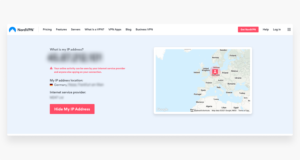
You can also use the “what is my IP” test to determine whether your VPN is protecting your connection. In addition, you can test whether your VPN is leaking your traffic and blocking it from leaking out to other websites. This is important if you’re using Firefox to communicate online. If you can’t do this, then you may be exposed to WebRTC and your IP address is leaked.

Speed test

The first thing that you need to do to ensure that your VPN is working is to perform a speed test. You can find a speed test tool online. The fastest VPNs use servers that are near to your location. So if you see a buffer wheel, that means that you have a slow connection. However, if you see a speed test bar that’s not spinning, it may be because you’re using a slow connection. If you’re experiencing this issue, you should contact your ISP and upgrade your connection. Alternatively, you can try changing servers, if your VPN has different servers.

The distance between your computer and the server affects the speed. A longer distance means slower connection. Using an app to check your speed can be very helpful. You can even find apps that let you test your speed, like Pingdom, on the Internet. The important thing to remember is that your VPN connection speed depends on your connection’s speed. As a rule, the lower the latency, the faster it will work.

Once you’ve gotten a VPN connected, it’s time to change the settings. You can change your connection by right-clicking on the VPN icon and selecting the Properties menu. The Networking tab shows the Internet Protocol (TCP/IP). A lower number indicates faster connection. For example, a ping of 80 means that it takes eighty milliseconds to send a packet. NordVPN may slow your connection speed, but rarely does it affect performance enough to be noticed.

To determine your internet connection speed, you can run the speed test on your VPN server of choice. You should run the speed test on the closest server to you and one that is located closer. You can also change the protocol used by your VPN if it’s not working as well as you expected. The best VPN protocols to use are Wireguard, OpenVPN, and PPTP. If the speed test is slow, try changing it to PPTP or IKEv2. If this doesn’t help, you may need to contact your VPN provider and request faster service.

Once you’ve chosen a VPN provider, you can use the speed test to determine whether it’s working. You can run the standard VPN test or the extended VPN test. For more detailed results, use the extended VPN test. Note that there may be IPs that belong to your Internet Service Provider. This can be a problem if your VPN provider is logging the data. Fortunately, there are other free tools to check for DNS leak. This can be very useful for determining the speed of your VPN and its server.

Also Read : The Benefits of Using Mozilla VPN

Port monitoring utility

Advanced users may want to check if their VPN is working by using a port monitoring utility. These programs can display a list of all active connections, and some will even let you terminate processes if necessary. Using a port monitoring utility, you can ensure that your VPN is routing your internet traffic through the VPN server. To use a port monitoring utility, you must have a running SSH session on both the remote and local hosts.


source https://www.gethitch.com/how-to-check-if-your-vpn-is-working/

The Benefits of Using Mozilla VPN

The Benefits of Using Mozilla VPN

The open-source virtual private network, Mozilla VPN, is available as a desktop and mobile application. It was first launched in beta as the Firefox Private Network on September 10, 2019 and will officially launch on July 15, 2020. Its popularity has made it one of the most popular VPNs available for both desktop and mobile. There are several reasons to use Mozilla VPN. You can use it to protect your privacy, browse the web anonymously, and unblock sites.

Firefox account required

Using a VPN can protect you while online. Not all sites are secure and data collectors can access your IP address and computer information. Mozilla VPN routes all your traffic through an encrypted server, protecting your identity online. You can choose from over 30 countries, and choose the best one for your needs. It is available on the official Mozilla VPN website and in the Apple App Store and Google Play stores. You’ll need a Firefox account to use Mozilla VPN, but once you have it, you’ll be on the way to privacy.

Once you’ve signed up for a Mozilla VPN account, you’ll need to enter your Firefox Account password to log in. You can recover this password by following the directions on your email. You’ll be taken to a page where you’ll need to sign in. Type your email address and tap Continue. Choose Forgot password? and follow the instructions to reset your password. You’ll be prompted to enter your new password. If you forgot your password, you can sign in to Mozilla VPN again with the new one.

If you want to use Mozilla VPN while traveling, you’ll need a Firefox account. You’ll need this account if you want to use the service in multiple countries. Mozilla VPN has servers in many countries, including the United States, Canada, the United Kingdom, Germany, Italy, Spain, Austria, and France. If you’re in another country, you’ll need to purchase a VPN subscription in their country. Once you’ve signed up, you’ll need to agree to the terms and conditions.

To sign up, you’ll need to sign in to your Firefox account. Once you’ve completed this, you’ll need to enter your payment information and accept the Terms and Conditions. Then, you’ll receive a link to create a password and download the Mozilla VPN app. This will allow you to connect with a server that is closest to your location. But be careful – this can make your connection slow and unsecure.

Privacy jurisdiction

The privacy jurisdiction for Mozilla VPN is not as straightforward as some of its competitors’. In fact, this VPN service is owned by a US-based corporation, Mozilla Corporation. It operates under US law, and Mullvad is owned by a Swedish company, Amagicom AB. This is important to note, because the privacy jurisdiction of these companies may differ. For instance, Mullvad may be based in the UK, but its servers are based in Sweden.

The Mozilla Foundation has been doing some great work in promoting privacy, web standards, and open-source technology, and that effort shows in the privacy jurisdiction of Mozilla VPN. While the nonprofit company may not be the best VPN provider, the company is known for its transparency, not only by disclosing vulnerabilities but also by patching them as soon as they become public. That’s important for ensuring the privacy of your data. Mozilla VPN is an excellent mid-tier VPN, but it’s not as secure as some of the top options.

The BVI is a very strict privacy jurisdiction for Mozilla VPN, but the privacy issues you’ll face will likely be the same for many of its competitors. The BVI is a small territory, and has no foreign intelligence operations, which makes privacy a priority. Also, the BVI is not a member of the Four Eyes alliance, which means the company’s information and data may be shared with other countries. This is good news if you don’t want to be watched by the NSA.

Speed

If you’re looking for a free VPN with great speed, consider Mozilla VPN. This service offers dedicated apps for Mac and Windows, and has easy-to-use interfaces. The company also offers a desktop client with a variety of features. These programs vary in cost and feature sets, but they both provide the same great speed. You can connect up to five devices simultaneously with one subscription, so you’ll never be limited by bandwidth or device.

Another major drawback of Mozilla VPN is that it doesn’t work on Linux or MacOS. It doesn’t work with gaming consoles. It only allows 5 simultaneous connections, and you’ll have to register at least one device before using the service. That’s a big drawback, but it’s an important one. The speed of Mozilla VPN is unmatched by other VPN services, and the software has a wealth of features.

Speed of Mozilla VPN is a concern for some users, but the service is constantly working to improve its performance. It can take several minutes for a connection to reach a server and some devices have faster speeds than others, although it doesn’t have as many servers as some other VPN services. Mozilla VPN is a fast-connection VPN, thanks to its use of WiregGuard protocol to encrypt all your network activity. It also hides your IP address.

One other drawback of Mozilla VPN is its location restrictions. If you live in a country where its content is blocked, Mozilla VPN isn’t the best choice. Because of georestrictions, however, it’s still a good choice if you want to access georestricted content. With the “smart location” feature, users from countries with restricted content can get around this restriction with ease. Mozilla VPN also provides a comprehensive knowledge base for users and has an excellent customer support service.

The Mozilla Corporation owns and operates this VPN, and they are a nonprofit. The company is registered in the US and governed by US law. Its parent company, Mullvad, is a Swedish company. The two companies are closely associated, and the privacy concerns of Mozilla VPN users are paramount to them. If you have any questions or concerns, you can contact the company’s support team via their website. The support section on the website is not immediately obvious. The website is tucked underneath many Mozilla pages.

Also Read : What Is A Kill Switch VPN?

Kill switch

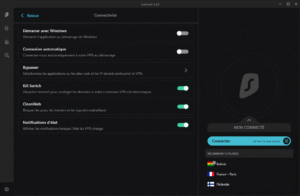
The kill switch in Mozilla VPN is a handy feature that comes in handy during times of VPN failure. This function suspends internet traffic when the VPN isn’t working, preventing you from accessing unprotected websites or leaking private information. This feature is enabled by default in most apps, and there is no option to turn it off or tweak its function. Despite its shortcomings, it works well for most users. However, there are some things you should keep in mind when using the kill switch feature in Mozilla VPN.

The first and foremost benefit is that this feature helps you avoid accidental VPN disconnections. If your connection is interrupted, the Kill Switch will prevent it from revealing your real identity. This is especially important if you are a political activist or if you are accessing sensitive information on the internet. This feature is an essential security feature. It keeps your online identity safe and protected from prying eyes. It works by monitoring your VPN connection in real time. If it detects that your VPN connection is lapsed, the VPN will terminate your connection, removing any possibility of leaking your real IP address.

The other significant drawback of Mozilla VPN is that you can’t change the VPN protocol. It only supports WireGuard. Choosing another VPN protocol might lead to inadvertently exposing your identity to unauthorized individuals. Besides, this feature does not support setting up routers. In addition, the app can’t connect to public Wi-Fi without manual intervention. If you have any questions, you can also send a message to the company’s support team.

When you’re using a VPN, it’s crucial to protect your online activity with a kill switch. Without a VPN, your activity can be exposed to the public, and the government can monitor your activities. For example, if you use public wi-fi, your traffic could be intercepted, revealing personal information and identity. This is why you should use a VPN. And, of course, the kill switch in Mozilla VPN is a very useful feature.


source https://www.gethitch.com/the-benefits-of-using-mozilla-vpn/

Friday, July 29, 2022

Teltonika & 3Dtracking Webinar: EYE Sensors On 3Dtracking Platform

Bluetooth Low Energy accessories with an IoT platform open up great business opportunities. From various asset identification to non-powered equipment tracking, Teltonika EYE accessories help to run fleet operations more efficiently and save costs.

The purpose of this online session is to discuss how Teltonika EYE Beacons and EYE Sensors can solve business challenges the easy way in a variety of usage scenarios. We also share a live demo of the 3Dtracking platform for each use case discussed. To learn more, watch now the recorded webinar called EYE SENSORS ON 3DTRACKING PLATFORM.

00:00 – Introduction
02:00 – EYE Beacon and EYE Sensor feature overview
03:51 – Wireless Driver Identification use case
05:49 – Wireless Driver Identification demo (3Dtracking)
09:14 – Non-powered Equipment Tracking use case
12:05 – Non-powered Equipment Tracking demo (3Dtracking)
14:43 – Temperature Monitoring use case
16:12 – Temperature Monitoring demo (3Dtracking)
19:26 – Assets Identification use case
22:32 – Assets Identification demo (3Dtracking)
26:02 – Summary
26:51 – Contact us

PRODUCTS:
EYE Beacon, EYE Sensor – https://teltonika-gps.com/eye/
FMM130 – https://teltonika-gps.com/product/fmm130/
FMB130 – https://teltonika-gps.com/product/fmb130/
FMB140 – https://teltonika-gps.com/product/fmb140/
3Dtracking platform – https://3dtracking.com/

FOTA:
https://teltonika-gps.com/product/fota/
https://www.youtube.com/watch?v=YTq4ErHGHJM&t=0s
https://www.youtube.com/watch?v=SiMwnkEEes4&t=0s

Website – https://teltonika-gps.com
Wiki – https://wiki.teltonika-gps.com
Crowd-Support Forum – https://community.teltonika-gps.com

CONNECT WITH US:

Subscribe to Our Newsletter – https://teltonika-gps.com/subscribe
Facebook – https://www.facebook.com/TeltonikaTelematics
Linkedin – https://www.linkedin.com/company/teltonika-telematics
Twitter – https://twitter.com/teltonika
Instagram – https://www.instagram.com/teltonikatelematics


source https://www.gethitch.com/teltonika-3dtracking-webinar-eye-sensors-on-3dtracking-platform/

Thursday, July 28, 2022

Google Releases Android Earthquake Alerts System for Australia, Papua New Guinea, Vanuatu And The Solomon Islands

The Android Earthquake Alerts System has been available for some time but has not been really available in our vicinity. Now Google has opened the Android Earthquake Alerts System for Australia and also some Pacific Islands, Vanuatu, Papua New Guinea together with the Solomon Islands.
This specific free Android function detects earthquakes globally and tips off people to them. Using the accelerometers in current Android mobile devices the device identifies seismic events and then notifies folks utilizing Google Search and also directly on the Android equipment itself.
The process feeds the final result straightaway into Google Search so that when folks look for earthquake or earthquake near me the result will be visible in addition to all other pertinent results. Those who do not wish to get these alarms can simply turn it off in the device settings.
• Be Aware: This alerts persons when the earthquake has a magnitude as high as 4.5 or possesses an intensity level of 3 or 4 on the MMI scale. The alert is sent alongside the proximity of the earthquake’s epicentre. The alert uses the device’s present volume, vibration, as well as Do Not Disturb settings.
• Take Action: This is a full screen warning signal for earthquakes with a magnitude more than 4.5 or an intensity level of 5 and greater on the MMI scale. To ready the user for such an immense quake full screen guidelines are displayed, and the smartphone plays a very loud noise– with any luck we never need to experience this.
In case you want to be informed in the case of an earthquake move into the Settings of your Android Equipment. From there browse to Location– > Location Services– > Earthquake Alerts. You can also see a demo of the alarms in here as well. For more details look into the video below or go to the relevant Google page.
With any luck you never have to use it but this warning system may well be useful. It’s great that Google has made it accessible it to Australia, Vanuatu, Papua New Guinea and also the Solomon Islands.


source https://www.gethitch.com/google-releases-android-earthquake-alerts-system-for-australia-papua-new-guinea-vanuatu-and-the-solomon-islands/

Malware That Can Survive OS Reinstalls Discovered On Asus, Gigabyte Motherboards

The malware was found targeting earlier H81 mainboards and also seems to have been about since at the very least 2016, according to antivirus provider Kaspersky.
Research workers have found malware that has been secretly contaminating systems featuring Asus as well as Gigabyte mainboards for a minimum of six years.
Ever since 2016, Chinese-speaking hackers have been infiltrating units with the CosmicStrand malware, according to a study by Bleeping Computer.
A malware strain capable of withstanding OS reinstalls has been secretly infiltrating older mainboards from Asus and Gigabyte, according to antivirus service provider Kaspersky.
The malware, tagged CosmicStrand, is developed to infect the mainboard’s UEFI (Unified Extensible Firmware Interface), to ensure it can remain a problem on a Windows machine, even though the storage drive is taken away.
On Monday, Kaspersky said it found out about CosmicStrand spreading on Windows laptops in China, Vietnam, Iran and Russia. All the targets were utilizing Kaspersky’s free antivirus software, so they were most likely private folks.
The firm’s investigation found that CosmicStrand was found on firmware images for earlier Asus and Gigabyte motherboards that employed the H81 chipset, that initially debuted in 2013, but has since been actually stopped.
By contaminating the mainboard’s UEFI, CosmicStrand can carry out malicious activities right as the PC starts up. This can bring about the machine loading a malicious piece from a hacker-controlled server and setting it up inside the Windows OS.
Kapersky said that unfortunately, we were not able to obtain a copy of data originating from the C2 (command and control) server. But the business did find confirmation the developers of CosmicStrand were seeking to remotely hijack the infected devices.
Kaspersky additionally isn’t sure how CosmicStrand is ending up on the victim personal computers. However, it’s likely it got there through another malware strain previously on the computer, or through the hackers getting physical access to the hardware.
Kaspersky also atated that reviewing the various firmware images we had the chance to obtain, we evaluate that the alterations may have been carried out with an automated patcher. If so, it would definitely follow that the aggressors had prior access to the target’s home computer so as to extract, modify and overwrite the motherboard’s firmware.
CosmicStrand isn’t the first UEFI-based malware; throughout the years, the antivirus industry has found several other variants. However, CosmicStrand seems to have hidden under the radar for numerous years. Kaspersky’s inquiry located one specimen of the malware was connecting to a hacker-controlled server that initially showed up in Dec. 2016. Another variant was found transmitting to a separate hacker-controlled server in 2020.
The servers the malware examples were communication to.
Aside from that, Kaspersky indicated that the Chinese antivirus supplier Qihoo 360 also identified a very early version of CosmicStrand back in 2017, affecting an Asus B85M motherboard.
In an announcement Kaspersky in addition explained that Qihoo’s first report shows that a buyer may have been given a backdoored mainboard soon after making an order at a pre-owned reseller. We were unable to verify this information.
The service provider currently thinks Chinese hackers produced CosmicStrand, pointing out how its computer code resembles with various other malware associated with Chinese-language hackers.
Kaspersky products will discover this hazard and stop it from performing it appropriately, rendering it innocuous however it is uncertain if there may be a firmware disinfection as certainly there would be a possibility of ruining the end user’s equipment.
The only way to get rid of the infection completely is to re-flash the firmware of the mainboard, a fragile operation that may possibly be carried out via the BIOS this is for expert users only or utilizing utilities provided by the hardware provider. The exceptional alternative way of removing this infection would be to change the computer’s motherboard and to then reinstall Windows.


source https://www.gethitch.com/malware-that-can-survive-os-reinstalls-discovered-on-asus-gigabyte-motherboards/

What Is A Kill Switch VPN?

What Is A Kill Switch VPN

There are many reasons why you might want to use a VPN, but one of the most important is the kill switch. This feature helps protect your online activity and your data from being intercepted. Whether you’re on a public wi-fi network or using a VPN depends on your personal risk tolerance and what activities you’d be risking without a VPN. For instance, using public wi-fi poses a significant risk because the network’s traffic isn’t encrypted. That means anyone with the ability to intercept your internet traffic could potentially see all of your confidential and sensitive data.

PIA

PIA’s VPN client runs on Android and iOS devices, and is compatible with many routers and operating systems. PIA supports most router firmwares and offers detailed guides for set-up. It’s relatively inexpensive, costing $2.19 per month on a three-year plan. However, you may prefer to try Windscribe or CyberGhost, which are free. Read on to discover which VPN is best for your needs.

Private Internet Access was one of the first VPN services to incorporate a Kill Switch feature. This feature automatically shuts down your internet connection when you experience a connection drop. You’ll only lose one VPN connection if you’re using two. With two VPN connections, you’ll only lose one. In theory, a VPN provider’s kill switch feature may also keep your other connection from being terminated. This is great news if you’re on the go and don’t want to risk your other connection.

Another great feature of PIA is its kill switch. By clicking on the network icon in the notification bar, you can access a troubleshooter, which will help you diagnose any issues with your VPN. You can also enable the kill switch by choosing the multihop tab and setting the protocol type as SOCK5.

PIA offers an excellent kill switch as part of their paid service. This technology allows you to access blocked websites and unblock popular streaming websites. PIA kill switch is fast and accurate, restoring access to your web browser or any other internet-connected device seamlessly. The kill switch works only when the VPN client is open, so it protects your device even when you’re not using it. Another good VPN is HideMe, which offers a free vpn subscription. Both PIA and HideMe offer kill-switch security.

NordVPN

Using a VPN is not always safe, especially when your identity is at stake. To make matters worse, some VPNs have a Kill Switch that can be triggered by a remote location. But how can a VPN kill switch help you? In this article, you’ll learn how a kill switch works and how to enable it on your device. But first, what is it? What is it and why is it useful?

The kill switch works on two levels: the internet and apps. The former stops specific applications from accessing the internet while the latter disables the entire system’s internet connection. The mobile kill switch, on the other hand, is more basic. It disables your internet connection unless you manually disable it. This feature is available on NordVPN’s Android and iPhone mobile apps. However, if you’re worried about a kill switch, you’ll want to use a VPN service that supports it.

To enable the kill switch, you must be logged in to the NordVPN website. This can be done with a few clicks. On MacOS, the kill switch can be enabled and disabled via the Mac App Store or the NordVPN website. Both applications have a kill switch option. If you’re a Linux user, you can enable the kill switch by using the terminal. Type nordvpn set killswitch on and off to turn the kill switch on or off. Alternatively, you can disable the kill switch by disabling the VPN in the terminal.

A VPN kill switch is an additional layer of protection for your browsing activity when using a VPN. When the VPN connection is lost, all data transmitted through the VPN will be unsecured until it regains its connection. If you choose to enable the kill switch, the software will shut down the internet connection and the VPN will stop working. This is a great way to ensure the security of your internet connection. You can use this option according to the needs of your device.

TorGuard

If you’re looking for a VPN that has a kill switch, then you’ve come to the right place. The Kill Switch VPN is a security feature that is integrated into many different types of VPNs, including TorGuard. In addition to its Kill Switch, it provides multiple layers of protection. It uses the AES-256 encryption standard, an industry standard that is virtually impossible to crack. Additionally, TorGuard offers OpenVPN, WireGuard, and OpenConnect protocols for a secure connection.

TorGuard has a money-back guarantee and a free trial, which means that if you’re not satisfied with the service, you can cancel without risk. It’s best to cancel the trial before the subscription expires. However, you may have to pay the full amount if you don’t want to keep using the service for a longer period. But you can always opt for a paid subscription after you’ve tried it for seven days.

While the support center doesn’t have a live chat feature, it does provide some helpful information. In addition to a searchable knowledge base, there are articles about common questions and a community forum. If you’re unsure about anything, the website also provides a link to its YouTube channel. The YouTube channel has 18 videos on a wide variety of topics, including how to use the Kill Switch VPN. There are also extra Add-ons, such as a free trial.

Besides a no-logs policy, another great feature of TorGuard is its built-in adblocker. To enable the ad blocker, you must navigate to the advanced menu of TorGuard’s website. In the DNS settings section, check the “Use these nameservers” option and enable “Ad Block DNS” on TorGuard’s website. Once you’re done with this, you’re ready to use the Kill Switch VPN.

PIA’s apps

PIA is one of the best VPN services available on the market, and their kill switch feature is a must-have for all discerning internet users. The VPN service provides coverage for 80 countries, and its top-notch encryption and protocols are the reason why it’s considered one of the best options out there. PIA is available for Linux, Mac, iOS, Windows, Android, routers, and a ton of other devices. Users can even enable the kill switch in the privacy settings of their VPN app, which allows them to have complete privacy control over their traffic.

If you’re looking for a killer app for torrenting, PIA’s Kill Switch feature is essential for you. It’s designed to let you browse anonymously on torrent sites and bypass ISP throttling when downloading. It costs only $3.33 for fast VPN torrenting, and the support service is email-based. Email support is available, but the wait time is usually four to six hours.

While most VPN services have a kill switch feature, PIA’s Windows app and macOS app are unique, as both of these programs offer the same functionality. The killer switch feature is also available in the macOS app, but the macOS version offers the option to toggle off the feature. Users who are concerned about their security will appreciate the level of customization available with PIA’s VPN apps.

Private Internet Access has a stellar history of privacy, and their policy has been proven in court numerous times. Their kill switch VPN app’s code is open-sourced, which means that anyone can check the source and identify security vulnerabilities. Furthermore, the company offers a number of advanced security features, including RAM-only servers, full protection from IPv6 and DNS leaks, an ad blocker, and a unique identity guard feature.

Also Read : OpenVPN Review

NordVPN’s Android app

The Kill Switch feature is a useful tool to protect your privacy. It shuts down selected programs whenever the VPN connection is broken. This feature works differently for every VPN service, so the settings for the kill switch will vary from one another. Some disable the switch when the VPN is disconnected, while others do not. Whether you lose your internet connection, or close the VPN app, a Kill Switch can save you from getting stuck in a bind.

To enable the kill switch, first navigate to the Settings menu. You’ll see a list of options, including the VPN protocol. To enable the kill switch, tap “Settings.” Select the Advanced segment. Next, tap “VPN Protocol” to access the VPN menu. Once there, toggle the option on the “Network Connection” tab. This setting is located under “Privacy and Security” under the “Security” section.

The kill switch can be disabled in a couple of ways. Some kill switches block all internet connections until the connection is restored, while others let you choose which apps will be disabled. NordVPN’s Windows app lets you choose which approach works best for you. If you use your VPN for sensitive information, enabling the kill switch will protect your data from prying eyes. In most cases, kill switches are turned off by default. You can turn them on manually, but most VPN services disable them by default.

Before purchasing a VPN, check the VPN app’s kill switch functionality. If it works, the VPN will keep you safe. If it doesn’t, you may be exposing yourself to a variety of risks. To prevent this problem, you can uninstall the old VPN software and install the latest one. If you’re unsure about the kill switch, you can always check if the VPN software is up to date and download an update.


source https://www.gethitch.com/what-is-a-kill-switch-vpn/

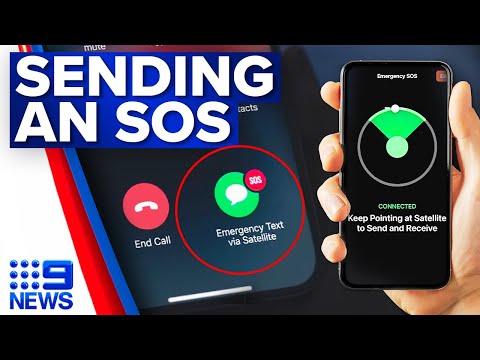
Apple launches new iPhone technology that could potentially save your life

  Apple launches satellite emergency SOS service in Australia and New Zealand Apple has launched groundbreaking technology in Australia w...