Saturday, July 16, 2022

WireGuard VPN Review

WireGuard VPN Review

The benefits of using WireGuard VPN are many. Its speed boost and security as a protocol make it a worthwhile choice for most people. The security of this VPN is also impressive, with implementation in the Linux kernel. Read on to find out how it works and what it has to offer. You will also learn about the many features and benefits of using WireGuard VPN. To get started, simply download the WireGuard VPN app.

Speed boost

Whether you use a VPN for security or speed, you should consider the speed boost a WireGuard VPN offers. While many VPNs do the same thing, some are better than others. For example, Speedify is one of the best. Speedify automatically decides which transport protocol to use and then works to maximize your speed. When using WireGuard VPN, you may see an increase in speed over a single connection, but you should still be cautious about packet loss.

While both protocols offer a speed boost, WireGuard is more efficient. In a recent test, it was found to be 58% faster than OpenVPN. WireGuard also had a larger speed advantage when using nearby servers. And in a third-party testing, it was found that WireGuard was 58% faster in download tests than OpenVPN. For security, it is important to choose a VPN that doesn’t impact battery life.

WireGuard is a relatively newcomer to the VPN protocol world, but it has already been praised for its higher speeds and improved security over older protocols. Although WireGuard has a few disadvantages, it is still popular and is enjoying the attention of advertisers. OpenVPN, meanwhile, remains the most popular VPN protocol. It’s widely compatible with all kinds of devices, is open source, and is a great choice for many users.

Security

WireGuard VPN security focuses on using modern cryptography and tech to provide encryption at a very high level. Compared to OpenVPN and IPSec, WireGuard uses less code and is easier to configure. The result is a faster VPN and a more secure final product. Here are some reasons why WireGuard is better for your business. Read on to learn more about WireGuard VPN security.

IPsec has many different encryption options, and many of them are insecure when configured incorrectly. WireGuard limits the options to modern, secure encryption techniques and does not allow users to specify insecure options. By doing this, it is more likely that most users will use recent encryption standards. That means you can feel safe using WireGuard VPN security. But you should be aware that there are still some flaws in WireGuard’s security.

One flaw with WireGuard is its high CPU usage. However, WireGuard is fast and easy to set up on most devices. It is also easier to use than other VPN security software. Another drawback is the lack of platform support. Though it has an Android and iOS app, it is not listed in the App Store yet. Despite its limitations, WireGuard is still faster than its competition. So, if you’re looking for an excellent VPN, WireGuard is an excellent choice.

Security as a protocol

The WireGuard VPN security as a standard protocol focuses on the highest bandwidth, lowest latency, and fastest speeds, allowing more data to exchange in less time. With its unique architecture, WireGuard also increases network visibility, improves network security, and reduces latency. When an employee logs into the office network, a secure tunnel is automatically established between the employee’s device and the VPN server. Employees can only access data once the tunnel is secure.

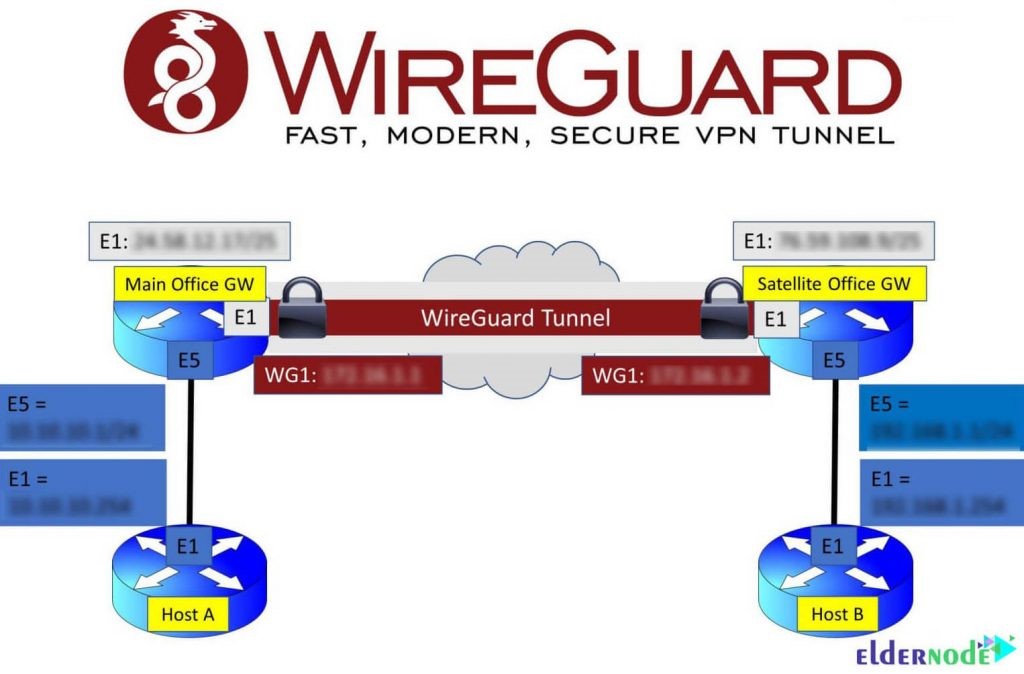
To secure the connection, WireGuard encapsulates IP packets using UDP. Each peer has its own private and public keys, which are used to authenticate one another. The interfaces use these keys to identify each other, and the public keys are passed around in the network. WireGuard also allows users to send these private and public keys out of band. Users can also send these keys to their peers to further secure the connection.

Another notable feature of WireGuard is its open source nature. Like OpenVPN, this protocol has an open source development model and is compatible with most major operating systems. It uses cryptography code that runs within the Linux kernel, which is faster than other userspace VPNs. Additionally, WireGuard is easy to install and configure, and it’s far simpler to audit and troubleshoot problems than OpenVPN.

Implementation in the Linux kernel

The Linux kernel now supports the implementation of WireGuard VPN. Its code was audited and formally verified by an independent company, and now the network security vendor has released a new version of the implementation for testing. After the Linux kernel’s integration with the new security solution, WireGuard should be faster. Linux will not have to repackage it, and adopting VPNs should be a breeze.

To achieve this goal, WireGuard is a network security protocol that uses encryption key routing. This process binds public and private keys to a network interface, similar to OpenSSH key-based authentication. Because the protocol is stealthy, it does not respond to any incoming packets, and peers can act as servers and clients simultaneously. It uses cryptokeys to encrypt and decrypt data, making it nearly impossible for hackers to intercept or modify your data.

Despite this shortcoming, WireGuard is designed to be auditable and easy to implement on a variety of platforms. The cryptographic primitives it uses have been independently verified. Because the Linux kernel supports WireGuard, it can be easily implemented on any device, including embedded devices. Its architecture makes it suitable for both small embedded devices and fully-loaded backbone routers. This means that a single person can audit the code without having to spend days on research.

Endpoint type

If you want to set up a wireguard VPN connection on your home network, make sure to enable IP FORWARDING. This is the NAT gateway for all incoming VPN traffic. If this setting is not enabled, you will be unable to connect to the internet. The next step is to configure WireGuard as a VPN Endpoint. This article will walk you through this process step-by-step.

First, make sure to install WireGuard. It requires a network management software or ip(8) utility. Then, create an internal IP address. This address will be used within the WireGuard network. It is typically in /24 and /64 format. In addition, you can create a vanity keypair to personalize the public key string. Once you’ve done this, make sure you configure the firewall to accept the new IP address.

WireGuard is a cross-platform VPN that is designed to minimize bandwidth usage while maximizing data transfer speeds. It offers top-notch security and a smaller attack surface than competing solutions. A VPN is a virtual network that acts like a proxy server for your computer. Data sent through the VPN tunnel is encrypted automatically, so you can be confident that it’s secure. The WireGuard VPN Endpoint type is an ideal choice for home users or small businesses.

WireGuard VPN Endpoint type has a few limitations, but it is an excellent building block for more complex solutions. Enterprises often need to deploy new software to a large number of machines in a seamless manner. WireGuard VPN Endpoint type is not suited for these situations, as key management and key distribution between peers are not covered in WireGuard. It does, however, provide a GUI for setting up VPNs.

Also Read : KeepSolid VPN Unlimited Review

Price

If you’re interested in using a VPN to protect your online privacy, you’ve likely wondered whether the WireGuard VPN price is worth the money. With the latest encryption technology, this newer protocol establishes connections faster than other protocols. OpenVPN, for instance, can take up to eight seconds to start, whereas WireGuard takes less than 100 milliseconds. These advantages alone should make the WireGuard VPN price a good value for money.

What’s more, WireGuard uses simple SSH keys and public keys to create a secure tunnel between your device and a secure server. Its encryption process is transparent and secure, and it allows you to roam between different IP addresses. This means you can spend more time on other things while still enjoying the same level of security. You can also choose how many users you’d like to protect at once. There’s no need to worry about a premium price, since WireGuard is a cheap, reliable, and fast VPN.

WireGuard is a free and open-source VPN protocol that is both faster and easier to use than commercially available alternatives. While standard VPNs sometimes sacrifice security for speed, WireGuard’s developer was able to obtain high internet speeds while maintaining security. And the WireGuard protocol is supported by VyprVPN. So, it’s worth looking at WireGuard VPN.


source https://www.gethitch.com/wireguard-vpn-review/

KeepSolid VPN Unlimited Review

KeepSolid VPN Unlimited Review

KeepSolid VPN Unlimited Review-Before purchasing the KeepSolid VPN Unlimited subscription, it is important to understand how it works, and what its pricing and add-ons are. KeepSolid VPN Unlimited is a great way to combat the growing threat of data leakage, and ransomware. It also helps protect users from ransomware, a type of malware that may attempt to extort money from their computer. This review will help you choose the right VPN for your needs.

Features

When it comes to speed, KeepSolid VPN Unlimited is hard to beat. With its incredible WireGuard technology, this VPN is quick and reliable. You can also unblock Netflix without any trouble. The downside of this VPN is its inflexible device management system, but it makes up for it with a generous 30-day free trial and some unusual features. Read on to discover what the company has to offer. Listed below are some of the best features of KeepSolid VPN Unlimited.

One of the biggest downsides of other VPNs is the fact that certain apps do not play well with them. Some will not connect, and others will slow down dramatically. However, KeepSolid VPN Unlimited allows you to add exceptions. These exceptions will allow you to continue using certain applications without being slowed down by your VPN. You will also be able to browse the Internet with greater speed, which is crucial for keeping your data safe.

Apart from speed, KeepSolid VPN also promises to keep your information private. While it does not log your IP address, it does monitor your connection, which means that it may monitor your torrenting. Furthermore, KeepSolid only supports P2P sharing on a small number of its servers. Currently, there are five servers in France, Canada, and Romania. This means that your download speed will be affected, but it will not be too slow.

Pricing

Pricing for KeepSolid VPN Unlimited is a bit confusing. The service charges a monthly fee, with a 30-day money-back guarantee. It also offers a free trial. The main feature of this VPN service is its personal servers, which allow users to access private servers without having to share their real IP addresses. Static IP addresses are useful for people working remotely. Streaming services also benefit from this service.

Another benefit of KeepSolid is its premium password manager. Unlike most free password managers, it also offers a premium password manager. Compared to other VPNs, Passwarden is KeepSolid’s own password manager. The premium version of KeepSolid comes with a free 1Password account. While the price is high, the password manager is also a premium feature. Lastly, pricing for KeepSolid VPN Unlimited is flexible, but its device policy is still restrictive and opaque.

KeepSolid VPN Unlimited has 500+ super-fast servers located in 80 locations worldwide. This isn’t a lot, but it’s better than nothing, and it works with Netflix. It is based in the United States, but it is part of the five-eyes alliance, which means it must share information about its users with US authorities. That means you can’t access websites in other countries without a VPN, but you can stream videos and music from anywhere in the world!

Add-ons

Despite its name, KeepSolid VPN Unlimited is not only a great deal for those who want to protect their online privacy. It also provides a host of optional services, such as a clean personal IP address for avoiding geo-blocked sites. These IP addresses are great for protecting sensitive data, as they prevent shared IPs from having bad reputations. There are seven countries available for its VPN service.

The VPN Unlimited add-on allows users to install it on more than five devices. Users can also use the VPN Unlimited browser extension, which prevents ISPs and online hackers from tracking their online activities. Additionally, it supports iOS and Android devices and also has a mobile app for transferring files and photos. VPN Unlimited has no logs and does not have an obscure privacy policy that will scare you away.

Another great feature of KeepSolid VPN Unlimited is its ability to allow users to manually select their server. By default, it will connect to the fastest server, so you can choose the one that best suits your needs. The app also lets users save their favorites and search for servers based on their activity. Users can also customize their VPN settings with a password manager, DNS firewall, and Smart DNS. However, the privacy-conscious may not want to use KeepSolid because of the minimal data collection.

Security

KeepSolid VPN is a company that offers various security services, including a password manager called Passwarden. The company also offers family organizer apps like Fammle. Founded in 2013, KeepSolid first launched VPN Unlimited in November. Since then, the company has added more products to its portfolio, as well as improved security technology. The company was founded by Romanians and is headquartered in New York City. Despite the company’s location in the United States, the company has offices in the US, where the Five Eyes spy on citizens’ internet activities.

While many VPN services offer a variety of payment options, KeepSolid VPN Unlimited has several limitations, including the number of simultaneous connections. Most companies only limit you to a certain number of connections, so users must be careful not to overuse it. KeepSolid provides five slots per user, and will reject any attempt to log in from more than five devices. Luckily, the company allows you to delete one device per week. This is a useful restriction that combats the danger of geo-blocked websites and intrusive third parties.

The company provides dedicated apps for Mac and PC, and browser extensions for Linux and Chrome. Users can also access the free VPN service via the website or mobile app. KeepSolid VPN also offers several security solutions, such as advanced AES-256-bit encryption and multiple secure VPN protocols. KeepSolid VPN also supports P2P sharing in five locations. Additionally, it allows employees to work on the same network without worrying about geo-blocking.

Unblocks Netflix US and BBC iPlayer

One of the most popular paid VPN services, KeepSolid VPN Unlimited is an excellent choice for those looking for the best unblocking service for UK and US streaming services. It boasts a variety of servers located in 80+ countries, and you can unblock any blocked content from any country. The software has five P2P optimised servers, which enable you to download and upload files quickly and securely. Its user-friendly interface also makes it a breeze to use.

Another great VPN service, Ivacy, is free and lets you access BBC iPlayer in HD and is available for most platforms. It unblocks US Netflix and BBC iPlayer in HD and has compatibility with multiple platforms. Unlike KeepSolid VPN Unlimited, Ivacy offers a user-friendly app that works well on mobile devices. It has a different UI than the other VPN services, so you need to select a server to access BBC iPlayer.

Another good VPN option is KeepSolid VPN Unlimited. It has the best speed, unblocks Netflix US and BBC iPlayer, and is compatible with Kodi and Amazon Fire devices. Its smart DNS feature requires an additional fee but unlocks content but doesn’t encrypt traffic. KeepSolid VPN Unlimited isn’t the cheapest VPN service out there, but it is a good choice if you’re looking for a VPN for streaming US and UK content.

Also Read : What is VPN Split Tunneling?

Logging policy

If you are concerned about the amount of data that your VPN provider is storing about your online activities, you can always check their logging policy. KeepSolid VPN Unlimited does not log any of your private data, but it does log a certain amount of data about your internet sessions. The information that KeepSolid stores on you will only be limited to the amount of bandwidth you used in a single session. The policy also shows the devices you connected to the VPN service and the time zone.

The logging policy of KeepSolid VPN Unlimited is similar to that of other major VPN providers. Users do not need to worry about their privacy, as their servers are physically located in the US. However, the company claims that their encryption is strong enough to protect most users from cyberattacks. The company claims that their VPN has more than 20 million users worldwide, which is impressive. In addition to this, they are committed to keeping their servers secure.

When choosing a VPN service, be sure to look for one that doesn’t store your IP address. Most VPN providers store your information on the server of the VPN provider, but KeepSolid does not. KeepSolid VPN offers strong encryption to protect your privacy. It also offers the option of choosing any of the most popular protocols like IPsec, OpenVPN, IKEv1 and IKEv2. Its open source nature makes it compatible with many encryption algorithms.


source https://www.gethitch.com/keepsolid-vpn-unlimited-review/

Friday, July 15, 2022

Introducing the TSW304 | Webinar

Timestamps:
00:00 Intro
03:35 TSW304
08:05 Use Cases
14:10 Outro

Curious to meet our new product? Interested to hear about new business opportunities and market verticals? Let us introduce the TSW304 – unmanaged switch with build-in Din Rail mounting. Register for the webinar to be the first to hear what’s next in the connectivity world!

QnA – https://teltonika-networks.com/lt/resources/webinars/84961646984/

Website – https://teltonika-networks.com
Wiki – https://wiki.teltonika-networks.com/
Crowd-Support Forum – https://community.teltonika-networks.com/

CONNECT WITH US:

Subscribe to Our Newsletter – https://teltonika-networks.com/subscribe/
Linkedin – https://www.linkedin.com/company/teltonika-networks
Facebook – https://www.facebook.com/teltonikanetworks
Instagram – https://www.instagram.com/teltonikanetworksofficial
Twitter – https://twitter.com/TeltonikaNET


source https://www.gethitch.com/introducing-the-tsw304-webinar/

What is VPN Split Tunneling?

What is VPN Split Tunneling

What is VPN Split Tunneling? If you’re wondering what is VPN Split Tunneling, let’s start with the basic definition. In this article, you’ll learn what split tunneling is and how it can benefit you. We’ll also discuss the privacy risks associated with split tunneling. We’ll also look at what CyberGhost has to offer with its split-exclude feature. After reading this guide, you’ll have an easier time choosing the best VPN for you.

Inverse split tunneling

VPN Split tunneling allows you to select which apps use the VPN connection and which don’t. This feature is especially helpful if you’re using a VPN to access a service that uses sensitive data. You can specify which apps will go through the VPN tunnel while other traffic is routed through the open network. This way, you can protect your privacy while surfing the web without worrying about your speed and data leakage. Inverse VPN split tunneling is ideal for these cases.

Unlike traditional VPNs, which route all traffic through the same server, inverse split tunneling allows you to select which traffic to tunnel and which to route through your local network. Split tunneling is similar to Firewall as a Service, which allows you to create firewall policies based on user roles. However, you should be aware of its disadvantages and make sure you know the advantages and disadvantages before enabling it on your network.

VPN Split Tunneling works by allowing you to select specific websites or applications. It works by encrypting the data traffic that leaves your home network. Once encrypted, this data travels to the VPN server before being sent to its destination. By default, your VPN routes all your internet activity, but if you use certain applications or websites, you can route these to a separate connection through your VPN. This is also useful for mobile devices.

Split Tunneling is also useful for gamers. By allowing the VPN to route the traffic from your home network, you can access American Netflix without being restricted to a local IP. If you aren’t a gamer, you can use an Inverse VPN to get around geographic content restrictions on streaming websites like Netflix. If you’re a home worker, a VPN for home use is a great option. In this way, you can continue to use your home network for professional purposes while keeping your privacy protected.

This technology reduces the chances of user inconvenience and working bottlenecks. It helps you use the resources available in your organization and ensures effective routing. That’s a major benefit. The best part is, it’s free! There’s no limit to how many devices you can connect to VPN split tunneling, so you can easily multi-task without any problems. However, you can also select which applications you’d like to protect with VPN Split Tunneling.

App-based split tunneling

When used properly, App-based VPN split tunneling offers users the ability to securely access their home network devices while navigating the internet. It is also useful for unblocking geo-restricted content or downloading torrents without worrying about privacy. However, it should be used with caution as it can leave gaps in security that can be exploited by prying eyes. Therefore, users should use VPN split tunneling for all sensitive activities, and exclude services that provide low privacy.

Despite its limitations, Split tunneling is a handy feature that will improve your overall VPN experience. The best part about this feature is that it is free. While it can’t match the security of a full VPN connection, it’s still a vast improvement over no protection at all. As long as you choose a good provider, you’ll have no trouble staying safe online and enjoying a high-quality VPN service.

Split tunneling is most useful for torrenting. It forces your torrent application to use a VPN connection while leaving your regular Internet connection available for other applications. However, it can be difficult to understand and implement. There are several methods of app-based VPN split tunneling. The most common are described below. If you’re unfamiliar with the concept of App-based VPN split tunneling, you should read the following guide first.

Split tunneling is a useful security feature that enables you to use VPN to access blocked websites. Inverse split tunneling, on the other hand, encrypts your entire connection. But in app-based VPN split tunneling, you can only use the VPN for selected applications. This means that the rest of your traffic goes through your regular internet connection. This is the most secure type of split tunneling. So, what’s the difference between URL-based VPN and App-based VPN?

Unlike normal VPN services, Split Tunneling allows you to control what data passes through the VPN tunnel. Unlike most VPN services, however, Split Tunneling is an easy process that is manual. Some VPN Software implement it by default. Some do not, and you may need to configure it manually. In this case, you may be better off choosing a VPN that offers split tunneling. The split tunneling function is a key feature that can increase your security.

Privacy risk

While using a VPN for remote workers can be convenient, there are certain downsides to the practice. Split tunneling increases security risks, especially for remote work environments. If a computer has an unsecured connection, hackers can gain access to it and start a campaign to distribute malicious software. Once a computer has this access, it can be used to send harmful files to command and control centers or even harm the entire network.

Remote users can bypass the security of a VPN by using an insecure public network connection. This data is not encrypted, so snooping is a risk. A valid BAA is required by companies using split tunneling. A valid BAA requires that third parties verify remote workstations are protected. If your organization requires its employees to use such technology, it should also establish a policy that outlines acceptable use.

The use of VPN split tunneling allows only a part of your internet connection to pass through the encrypted VPN tunnel, while the remaining data goes directly to the public network. This method provides privacy while protecting sensitive data. However, it does not offer full protection against hackers and is risky. Therefore, it is important to choose a VPN that does not use split tunneling. VPNs are a good solution to secure your data, but they must be properly configured to protect your privacy.

Another privacy risk with VPN split tunneling is the increased risk of data leakage. If your applications do not pass through the VPN, it is not secure enough. Even worse, it can also make you feel less secure. The same can be said for local area network connections. Split tunneling also prevents you from connecting to wireless printers. The best way to avoid this is to use a VPN while traveling. Otherwise, you can be rest assured that your information is safe.

Split tunneling enables users to route certain data through a secure VPN while passing the rest through a public network. Split tunneling is particularly useful for users in countries where access to the internet is regulated or restricted. While it can greatly increase the speed of your internet connection, it also allows users to access content that is not available on the public network. While it is a convenient feature, split tunneling isn’t 100% secure, and you run the risk of leaking confidential information to third parties.

CyberGhost’s split-exclude option

There are many reasons to use a VPN, but there is one in particular that makes CyberGhost stand out from the crowd. This software doesn’t collect any personal web logs and does not snoop on your activities. CyberGhost was originally released as a free VPN in 2011 and was acquired by the Crossrider Group in 2017. The Crossrider Group was responsible for adware which packaged with other software and served unwanted advertisements to internet users via their web browser.

The software comes with multiple security protocols, including OpenVPN (TCP/UDP), IKEv2, and L2TP/IPSEC. It uses AES-256 cipher and SHA384 hash authentication, and RSA-4096 key encryption. Its 7700+ servers span over 90 countries, including gaming and streaming servers. It also features no-spy servers and supports 7 multi-logins.

The Split-Exclude option in CyberGhost lets you customize the location of your protected websites. For example, Netflix may require all traffic to go through the VPN tunnel, while local websites may need to bypass it. The option is available on both the desktop and mobile apps. You can access the Smart Rules section in Preferences and select a website for split-tunneling. After doing so, you can easily switch back to using your main connection.

The CyberGhost VPN has a large network of servers and multiple locations. The apps are user-friendly, and they offer a generous money-back guarantee. The company also offers discounts for subscriptions of a longer period of time. But be careful – some servers are overloaded, and CyberGhost doesn’t work as advertised in authoritarian countries. If you’re worried about security, you should check out other VPNs in the market.

For URL-based split-tunneling, CyberGhost is the best choice. It has more than 7,400 VPN servers in 90 countries, which is impressive. You can even connect to different servers at once. If you’re worried about snooping, you can set up split-exclude functionality for each device. It’s one of the easiest VPNs to use, so it’s easy to see why it’s so popular among beginners.

Also Read : ExpressVPN For Linux Review


source https://www.gethitch.com/what-is-vpn-split-tunneling/

Wednesday, July 13, 2022

ExpressVPN For Linux Review

ExpressVPN For Linux Review

In this article, I’ll review ExpressVPN for Linux in five important categories: its VPN client, its server network, speeds, and security. After reading through each category, you should have a better understanding of whether ExpressVPN is right for your needs. But before we get into these areas, let’s quickly go over each VPN client’s features. Then, let’s move on to other considerations, such as price.

VPN client

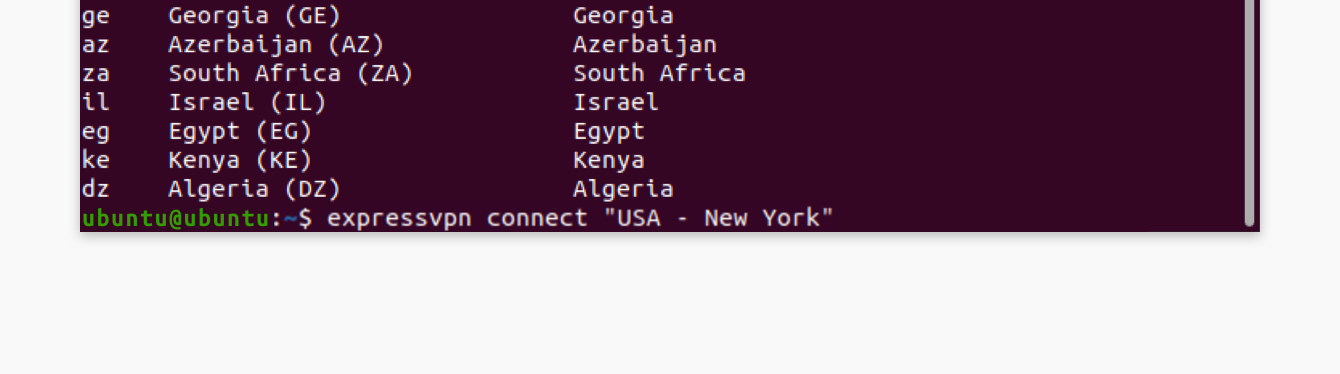
Before using the ExpressVPN Linux VPN client, you should be aware of a few things. You must install the latest version of the Linux operating system. To do this, follow the steps below. Make sure you’re using a 64-bit version of the operating system. To install the latest version, you must first sign up for a new account with ExpressVPN. Then, follow the instructions in the email you received to install the VPN client on your machine.

After installing the client on your system, launch the program. Select the VPN server you wish to connect to. Generally, a server located in Germany will be the best choice. If the VPN server is in a different country, choose one near your home to avoid the delay. You can also choose a server in a different city, if needed. If you are unsure of where the server is located, you can check the ExpressVPN website to find out what it is located in.

After installing the Linux VPN client, you must enter the activation code and specify your operating system. If you are using Debian, choose Ubuntu or Fedora. After installing the VPN client, you must activate it with a code obtained in the web. You can have up to 3 simultaneous VPN connections. Then, you’re ready to go. If you’re running Arch Linux, you can also install the ExpressVPN Windows client.

Once connected, you can access any websites or web services that you want. ExpressVPN has a kill switch to prevent your Internet access if your VPN drops. It also has advanced leak protection and strict no-log policy to protect your personal information. The server infrastructure is optimized for speed and provides 24/7 customer support. You can also get help from ExpressVPN via email or chat to get any questions answered. So, if you’re on Linux, expressVPN is worth trying.

Server network

Installing the Server network for ExpressVPN Linux is easy and straightforward. It comes with a GUI that walks you through each step. In addition, ExpressVPN also offers 24/7 support. Once the server network is installed, you can connect to the server network to enjoy the enhanced security of your Linux system. To get started, open the downloads folder and look for the ExpressVPN installer. The installer will ask for your user password, authentication, and password. You should enter it to continue with the installation. Next, you’ll be prompted to share anonymous diagnostic reports. Finally, you’re asked to accept or decline the Smart Location feature. Then, you can start connecting to the recommended server location.

The next step is to download the ExpressVPN software client. Next, select the Linux distribution you use. For example, Debian users should select Ubuntu. Fedora users should choose Fedora. After downloading the ExpressVPN client, open it on your system. To connect to a particular server, click on the green “Connected to…” notification. Next, you’ll be prompted to enter an activation code. You can connect up to three simultaneous VPN connections using ExpressVPN.

Afterward, you should connect to the recommended server or access the full list of servers. You can also change the protocol and toggle Network Lock. You can also instruct your client to connect automatically on startup. Another handy ExpressVPN software is the Router application. It’s easy to install and requires no technical knowledge. Once installed, the Router application is easy to use and takes only minutes to get up and running. If you have a router, ExpressVPN Linux offers an app that is specifically made for the router.

Speeds

As the most popular VPN provider, ExpressVPN has a reputation for great security, speed, and user-friendly client software. Its user-friendly interface makes it a breeze to use, and its robust security features are suitable for beginners and advanced users alike. While it is not the cheapest VPN available, it comes with a generous 30-day money-back guarantee and an ultra-fast connection. And while the company does not log users’ private information, there are some cons to keeping your data safe.

While the number of servers used by ExpressVPN varies, the general trend seems to be faster speeds than average. UK speeds, for example, average 86 Mbps. But there’s still room for improvement. UK speeds peak at 157 Mbps. Meanwhile, US speeds average 66 Mbps, but can go as high as 134 Mbps. For more information, check out our detailed analysis of speeds across multiple locations.

ExpressVPN’s support site is well-stocked with guides in multiple languages. The knowledge center is updated frequently with helpful tips and guides. If you run into trouble with your VPN connection, you can contact support via live chat or ticket submission. In most cases, upload speeds will vary depending on your current network congestion. However, some users report that their upload speeds are faster than average. It’s important to note that the speeds of ExpressVPN Linux are dependent on several factors, including your current location, the server location, and your VPN protocol.

ExpressVPN has several security features, including TrustedServer technology, which makes it impossible for hackers to access your data. In addition, ExpressVPN servers use RAM, which stores only working data. This helps them exchange data at high rates and purge the data once not in use. That means you can rest easy knowing that the company is not storing your data on physical servers. For this reason, they can also provide a 30-day money-back guarantee if you’re not satisfied with their service.

Security

If you want to be safe and anonymous online, you need to use a VPN service that provides strong encryption. A good Linux VPN service will support multiple security protocols, as well as advanced features like split tunneling and a kill switch. It should also have a no-logging policy, which is important for security. A good VPN service for Linux will also offer a free trial period, so you can try it before making a decision.

This VPN service offers good security with its built-in protection against DNS leaks, WebRTC, and IPv6. You can also disable WebRTC in their desktop applications. You can also install their Firefox and Chrome browser extensions to protect yourself online. Additionally, they automatically block IPv6 traffic, unlike their competitors, who require you to do it manually. If you’re concerned about privacy, ExpressVPN is the right choice.

ExpressVPN’s servers are physically based in the British Virgin Islands, which is not a member of the 5/9/14 Eyes intelligence sharing group. Therefore, their servers are not subject to mandatory data retention laws. This means that even if a government or other agency demands it, they cannot access or use the user’s data. As a result, they have no logs to worry about. The good news is that they have an excellent policy for security, and they keep all of their servers running up-to-date.

Using the highest encryption standards available, ExpressVPN is also safe. The 256-bit AES encryption method makes it impossible for anyone to intercept your private data. ExpressVPN also features a kill switch and no-logs policy, which means that your data will be safe. Its servers also run on RAM memory, which is a plus when it comes to security. Additionally, if you’re worried about security, they have a 30-day money-back guarantee.

Pricing

Pricing for ExpressVPN Linux is not as expensive as some of its competitors’, and it comes with a wide range of server locations. You can select a server in your region or simply select a server in another location. Whether you need VPN for streaming or accessing content, ExpressVPN is a good choice. The service has a large and diverse server network that will help you protect your privacy and secure your connections.

There are a number of ways to pay for ExpressVPN Linux. The single service tier costs $6.67 per month, and comes with unlimited bandwidth and three simultaneous connections, although most VPN services offer up to five. You can pay with a variety of payment processors, including PayPal, and use Bitcoin to stay completely anonymous. In addition to these convenient options, ExpressVPN also offers a 30-day money-back guarantee.

The company maintains a strict ‘no-logs’ policy. This means it doesn’t store any data about you. Although the servers you use are in a foreign country, they do store some data. For example, the Turkish government seized an ExpressVPN server while investigating an assassination case. But this doesn’t mean that ExpressVPN isn’t safe. The VPN is still safe to use, and the service can handle the most demanding tasks.

The service offers a range of server locations. However, most of them are virtual, meaning that they are not physically located in the country where they are hosted. ExpressVPN uses a system of virtual servers to avoid problems with censorship in the countries where it operates. While the VPN servers are typically physically located in the US, many of them are virtual. The company uses this system to maintain a consistent connection speed for its users, particularly in regions with strict internet laws.

Also Read : Why Is NordVPN Removing Servers From India? 


source https://www.gethitch.com/expressvpn-for-linux-review/

Compact & Powerful: Simple Routers for Complex Solutions – Webinar

What makes our flagship RUT240 and RUT360 devices hit the sweet spot between performance and versatility? Join us for this upcoming webinar as we explore these pocket-sized powerhouses and how they can not only fit, but enhance your IoT solutions.

Timestamps:
0:04 Introduction
02:20 Introducing Teltonika Networks
04:38 Canada office:
06:18 RUT240
11:21 RUT360
18:11 RMS
24:06 QnA

Website – https://teltonika-networks.com
Wiki – https://wiki.teltonika-networks.com/
Crowd-Support Forum – https://community.teltonika-networks.com/

CONNECT WITH US:

Subscribe to Our Newsletter – https://teltonika-networks.com/subscribe/
Linkedin – https://www.linkedin.com/company/teltonika-networks
Facebook – https://www.facebook.com/teltonikanetworks
Instagram – https://www.instagram.com/teltonikanetworksofficial
Twitter – https://twitter.com/TeltonikaNET


source https://www.gethitch.com/compact-powerful-simple-routers-for-complex-solutions-webinar/

Monday, July 11, 2022

Why Is NordVPN Removing Servers From India?

Why Is NordVPN Removing Servers From India?

After the recent news of CERT-In’s new rules for VPN service providers in India, NordVPN is After the recent news of CERT-In’s new rules for VPN service providers in India, NordVPN is no longer able to keep its servers in the country. According to the new regulations, VPN providers must store user data for five years. That means that their servers in India will be removed on June 26. But why is NordVPN removing its servers from India? The following article explores the question.

Surfshark

Following the news of the recent data demand in India, NordVPN has announced it is shutting down its physical servers in the country. This is the third VPN company to announce this move, and it comes a day before the date that the directive goes into effect. Earlier this month, ExpressVPN and Surfshark announced that they would also be pulling their servers from India. But what is the reason behind these decisions?

The new regulations will impact millions of people worldwide, and may limit the growth of the VPN industry in India. According to experts, excessive data collection may lead to data breaches across the country. The new rule takes effect on June 27, 2022, and requires companies to store users’ real names, IP addresses, usage patterns, and other identifying data for five years. But while the regulation may seem trivial in the short term, it could lead to an increased number of data breaches across the nation.

Another concern for VPN providers in India is that they must collect and store customer data. It could violate a company’s no-log policy. The government may try to make it illegal to collect data on its users, and in order to do so, they must keep logs. A no-log policy is the norm for most VPN providers. But it can be tricky to enforce these policies, which is why many premium VPN services are leaving the country.

However, Indian government officials have not yet decided whether or not to ban VPN services. The latest rules, which were announced in April, force internet infrastructure providers to collect and report user data. Such data will include the full names of users, physical addresses, email addresses, IP addresses, and other information that could help identify them. The government expects the new laws to lead to increased privacy concerns, and that is why the new rules are needed.

ExpressVPN

A new policy imposed by the Indian Computer Emergency Response Team (CERT-In) on VPN providers has led to a number of companies pulling their servers out of the country. The new law requires VPN providers to store users’ data for five years. As a result, NordVPN is no longer operating in the country. However, many other VPN providers are not implementing this new policy. In addition to NordVPN, other companies such as ExpressVPN and Surfshark have also removed their servers from India.

The company has notified its users that it is withdrawing its physical servers in India due to the new cybersecurity rules. The new rules are set to take effect on June 27. The Panama-based VPN service provider says it will be sending notifications to users via the app. While this news is concerning, it is not surprising. After all, it’s not that easy to withdraw from an industry that relies on the privacy of its users.

Moreover, Indian government has appointed CERT-In to monitor cybersecurity. The new regulations are incompatible with the purpose of a VPN. The two largest VPN providers have taken action against this law. While NordVPN does not plan to withdraw from India, ExpressVPN, SurfShark, and PIA also removed their servers in the country. While it is unclear why these companies have decided to remove their servers, they have said that they will not build virtual servers in India.

According to the report, the CERT-In regulations will force all providers to collect and provide data on their users. The government will be able to access information about their users’ browsing habits based on their IP addresses. The government’s new rule will take effect on June 27. The government has already begun collecting information from VPN providers. This will not only affect privacy but also the security of online users. So, whether you want to use a VPN service or not, make sure you choose one with the best privacy protection possible.

Despite the recent announcement by the Indian government, NordVPN plans to keep its Indian servers operational until June 26. The company will notify users of this decision through its app, but has not yet given details on how the move will affect Indian users. Nonetheless, other VPN companies have already pulled their servers from the country. There is no official word on whether the decision will affect users in India. It is unclear, however, what impact this will have on users, but it is clear that they are doing what they can to protect their customers.

NordVPN

The Panama-based VPN service provider, NordVPN, has announced that it will remove its servers from India on June 26. The ban comes after the Indian government issued cybersecurity directives that require providers of virtual private network (VPN) services to log all customer data for five years. The company is also concerned about the possibility that these regulations could compromise the confidentiality of customer data. This is not the first time a VPN service provider has faced such a ban. ExpressVPN also pulled its servers from India last week. It said the ban would violate the company’s “no logs” policy.

However, there are other VPN services that may follow the same path. Some of these services are available in more than 100 countries and have multiple server locations. However, many of these services do not have Indian servers. As such, it may be better to use a VPN service that has servers in other countries. The same goes for privacy. By removing servers from India, the privacy of the user will be compromised.

The new policy was implemented to combat cybercrime. This means that VPN service providers are now required to collect and turn over data on their Indian users. Although VPN users hide their real IP address, this data will be used to track their activities. Ultimately, this means that users will have less privacy online unless they switch to a different provider. Until then, VPN services will remain a viable option for users who wish to stay safe online.

Another reason for NordVPN’s decision to drop India servers is the new government directive regarding data privacy. The directive requires data centres, virtual private server providers, and cloud service providers to register users. This could result in massive increases in the amount of personal information stored in these services. If that happens, more people will be forced to switch to other providers. That’s a problem that NordVPN has a long-standing history of avoiding.

Also Read : 5 Best VPNs for Windows in 2022 Laptops and Desktop PCs

CERT-In

VPN service provider NordVPN is preparing to remove its physical servers from India. This decision was made in late April after the government issued a decree, requiring companies to report information about any cyber-attacks on their servers. The official decree is set to take effect on June 28, but the Panama-based company will notify users of this change through its app on June 20. The company will provide full details about the planned exit.

As a result of the directive, NordVPN, ExpressVPN, and Surfshark are now not able to operate in India. The new rules require them to store customer data for five years. If they do not comply, they could face imprisonment. The companies are also voluntarily removing their servers from the country. The company also claims to have no plans to reinstall its servers in India.

The move comes amid growing concern from VPN service providers about the new regulations in India. Some are even hinting at a total shutdown of their India servers. Others, like ExpressVPN and Surfshark, have also withdrawn their servers from the country. They said the regulations went against their “no log” policy and didn’t want to comply with the government’s rules.

Regardless of whether or not NordVPN will continue to provide its services to Indian customers, it is important to understand the implications of the new regulations. The new rules are aimed at protecting the cybersecurity information of Indian consumers. However, the new regulations could still be a violation if your VPN service is operating in India. While this is a temporary step, it could still cause you to fall foul of the new guidelines. If the regulations are relaxed, you could be in trouble.

CERT-in is a government agency that was set up to protect the country’s information infrastructure. In April, it introduced new cybersecurity norms requiring data centres and VPN service providers to store customer information for five years. Additionally, entities must report cybersecurity incidents within six hours. While CERT-in said these new requirements only apply to enterprise VPNs, the company said they may be able to relax some of the rules in the future for startup companies.


source https://www.gethitch.com/why-is-nordvpn-removing-servers-from-india/

Apple launches new iPhone technology that could potentially save your life

  Apple launches satellite emergency SOS service in Australia and New Zealand Apple has launched groundbreaking technology in Australia w...